Joy-Filled Community Events
Celebrating Together, Strengthening Our Community
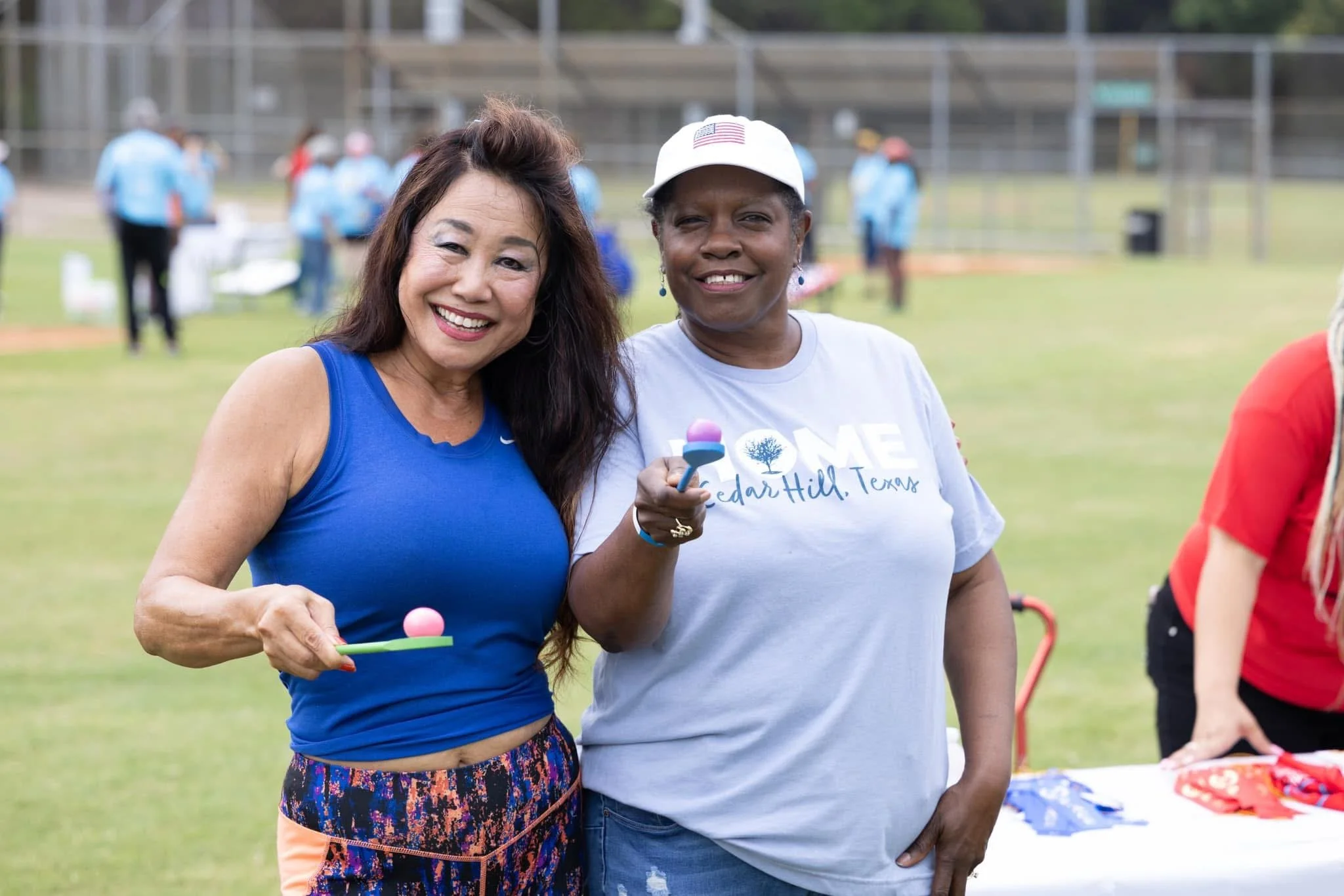
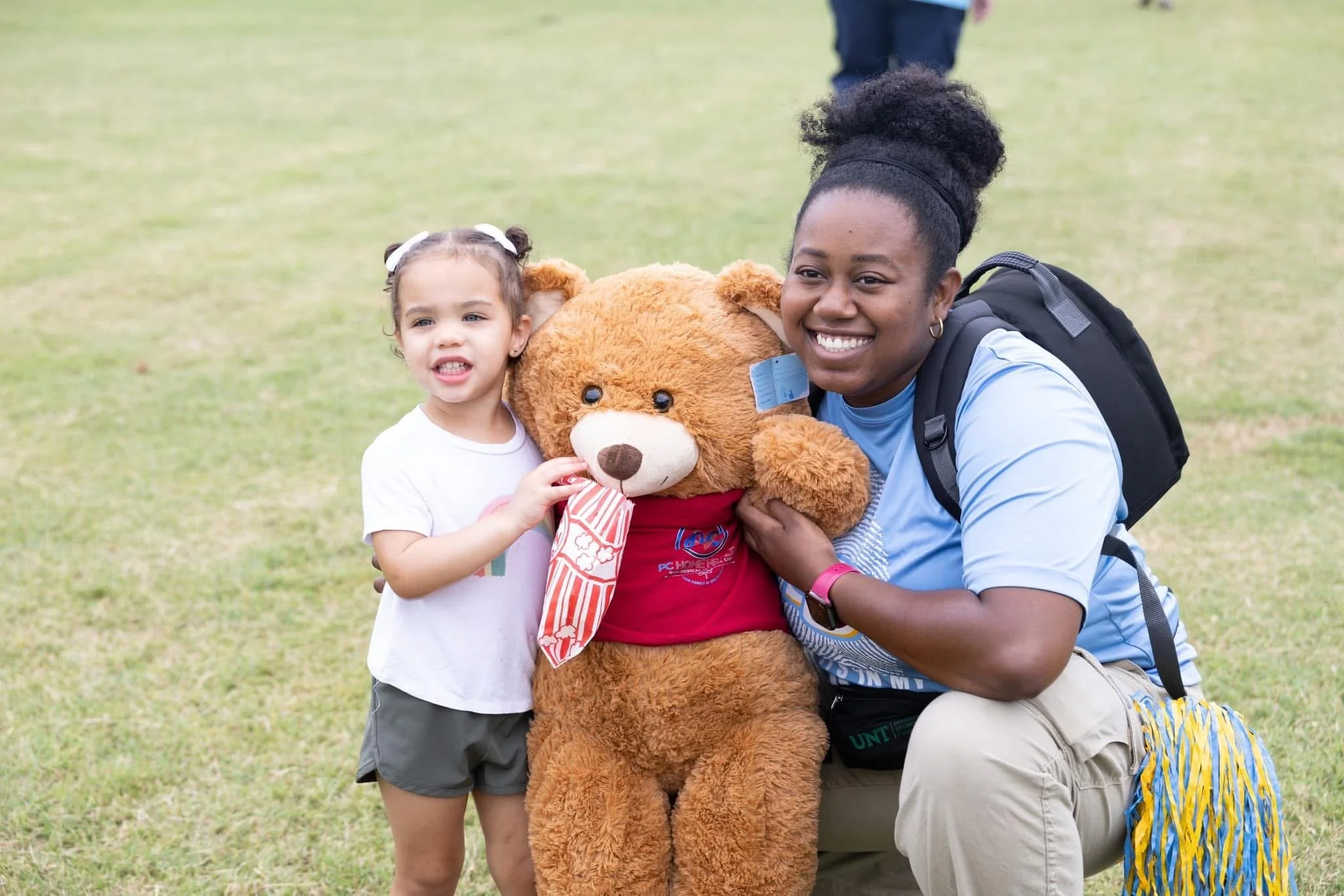
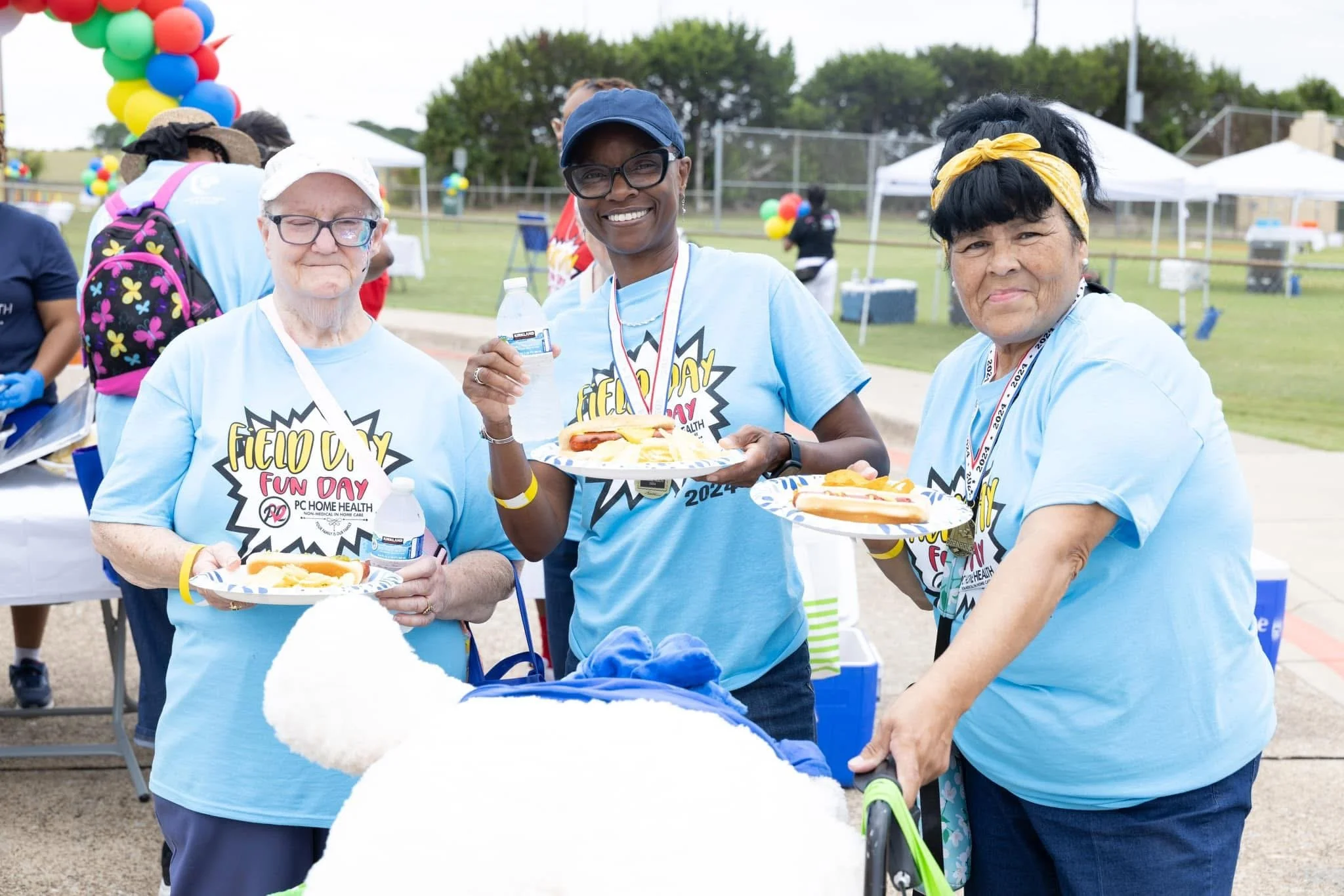
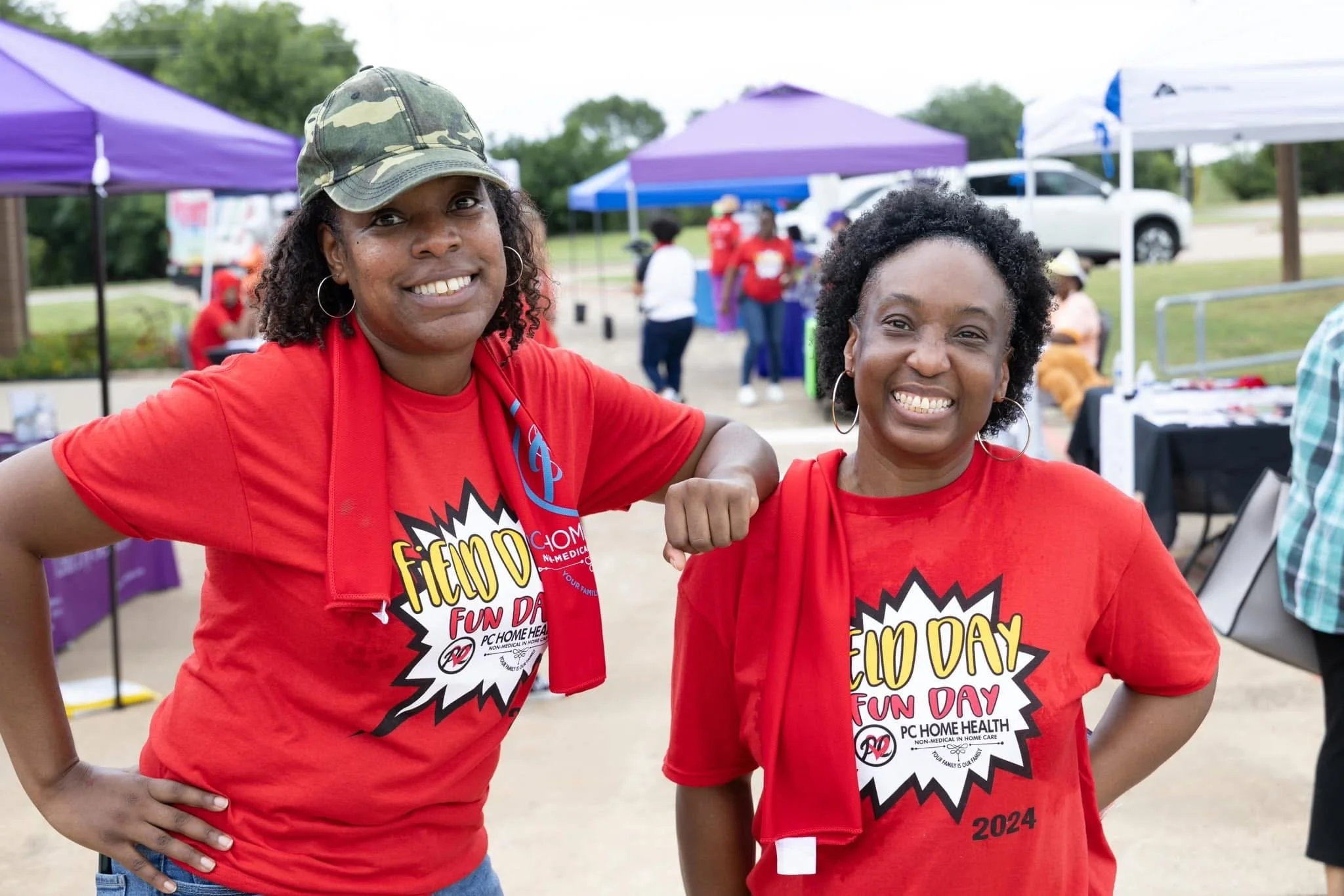
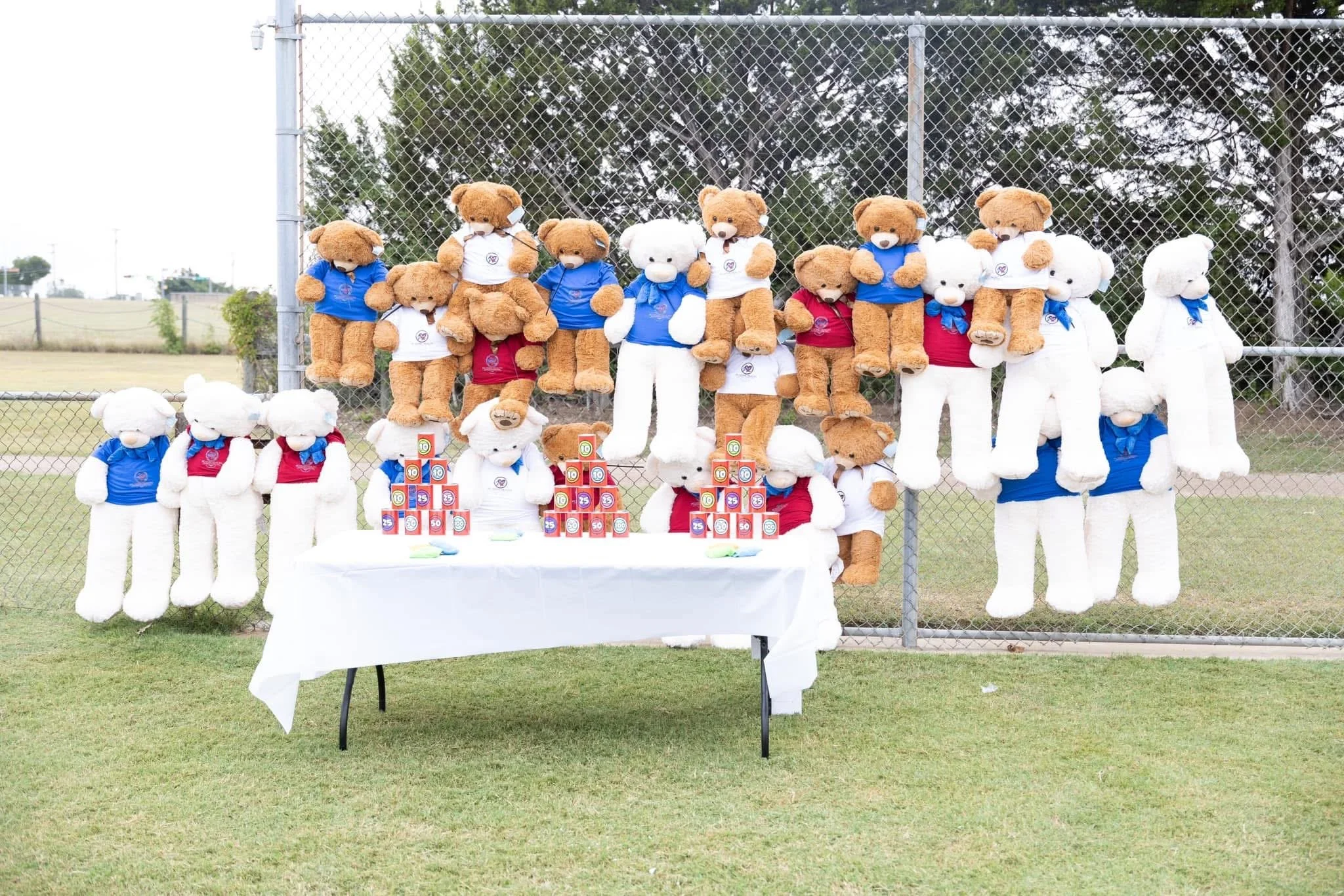
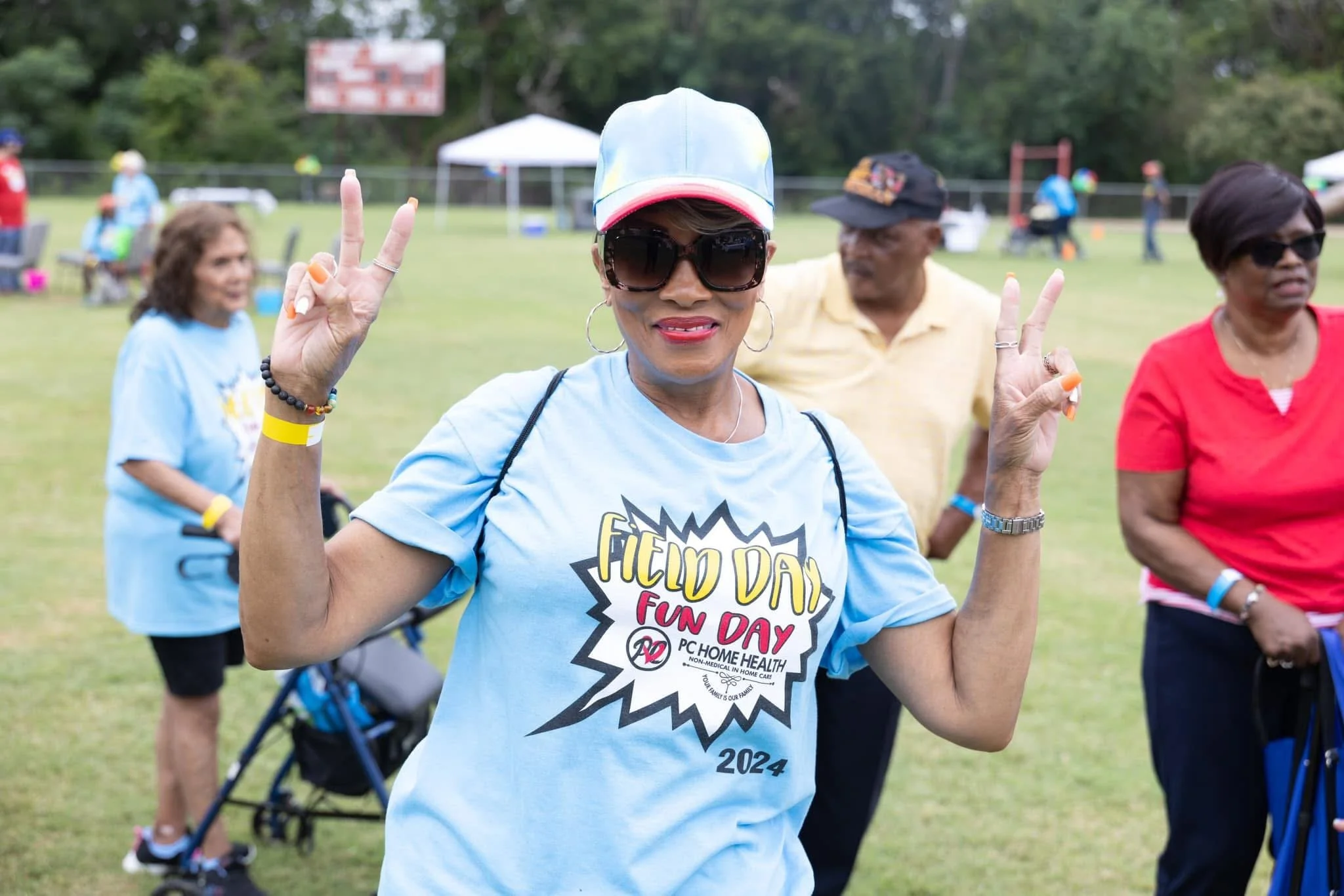
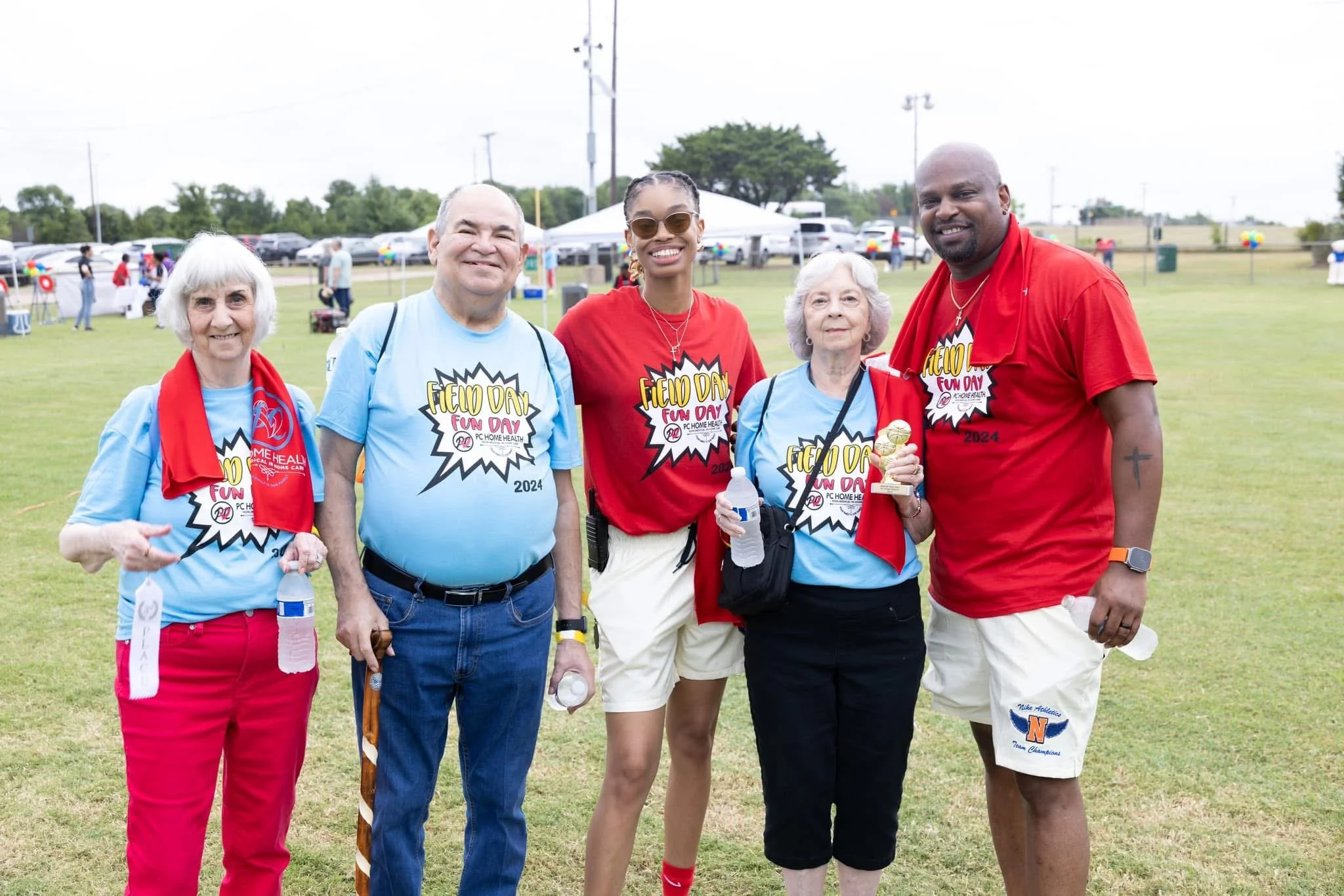
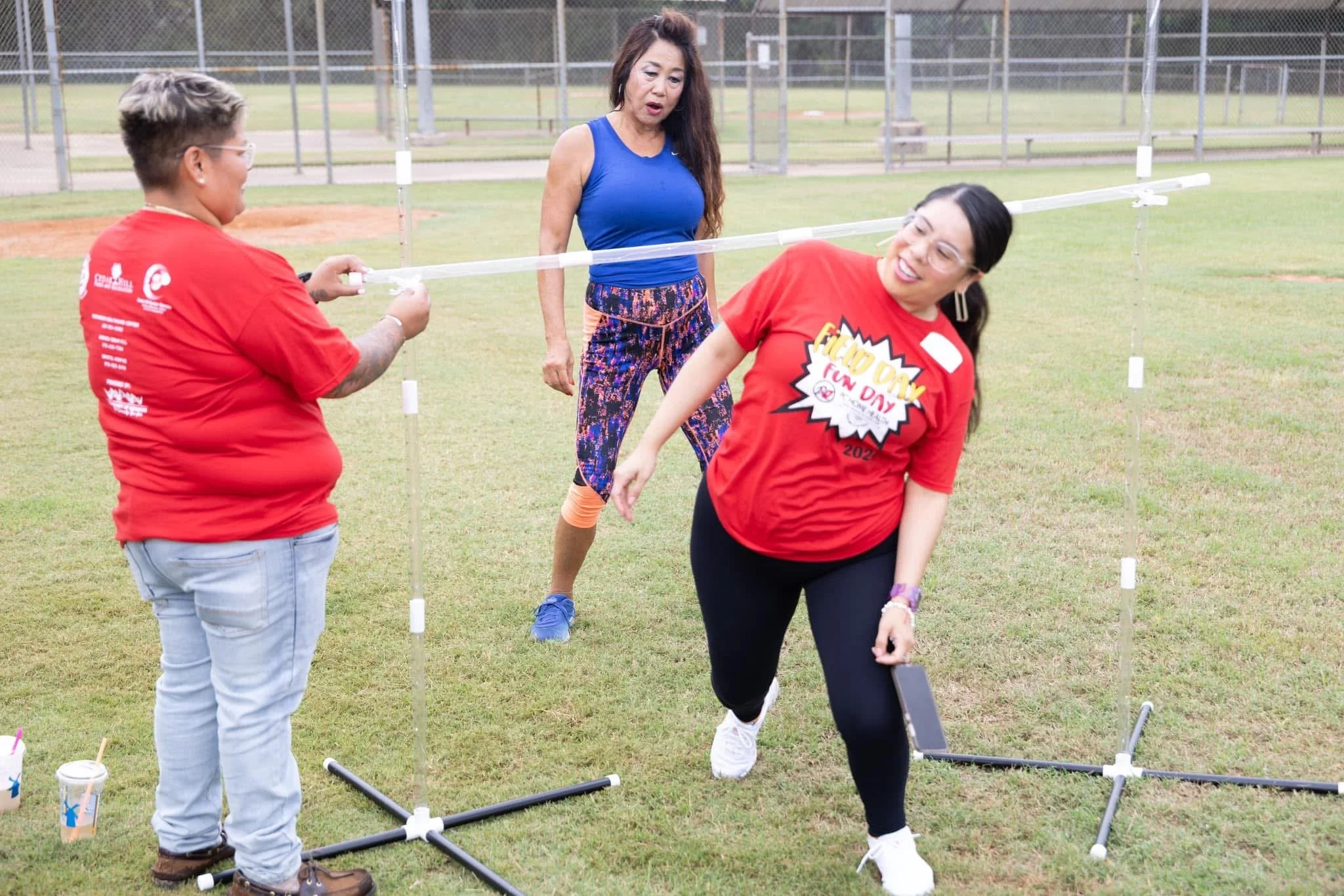
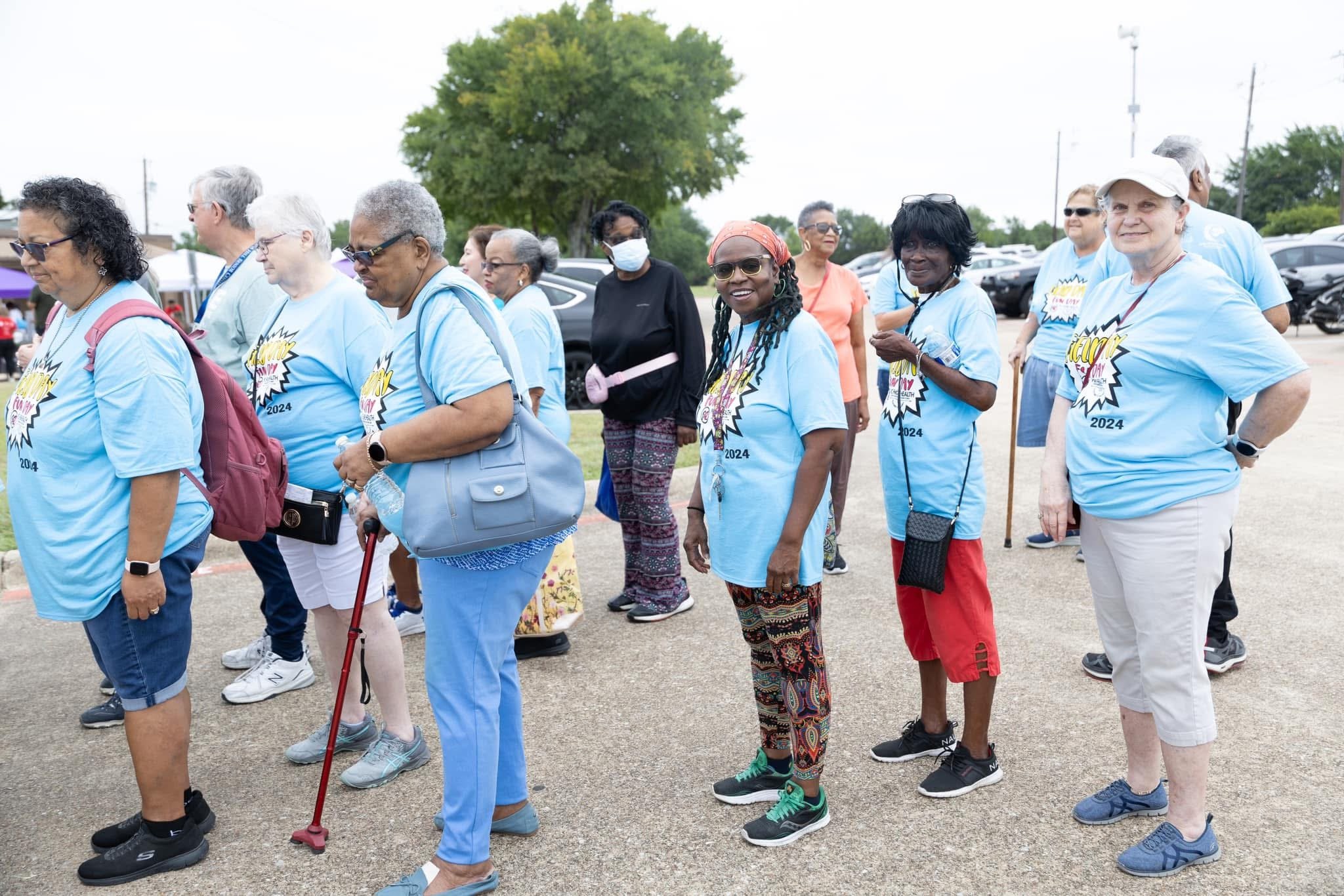
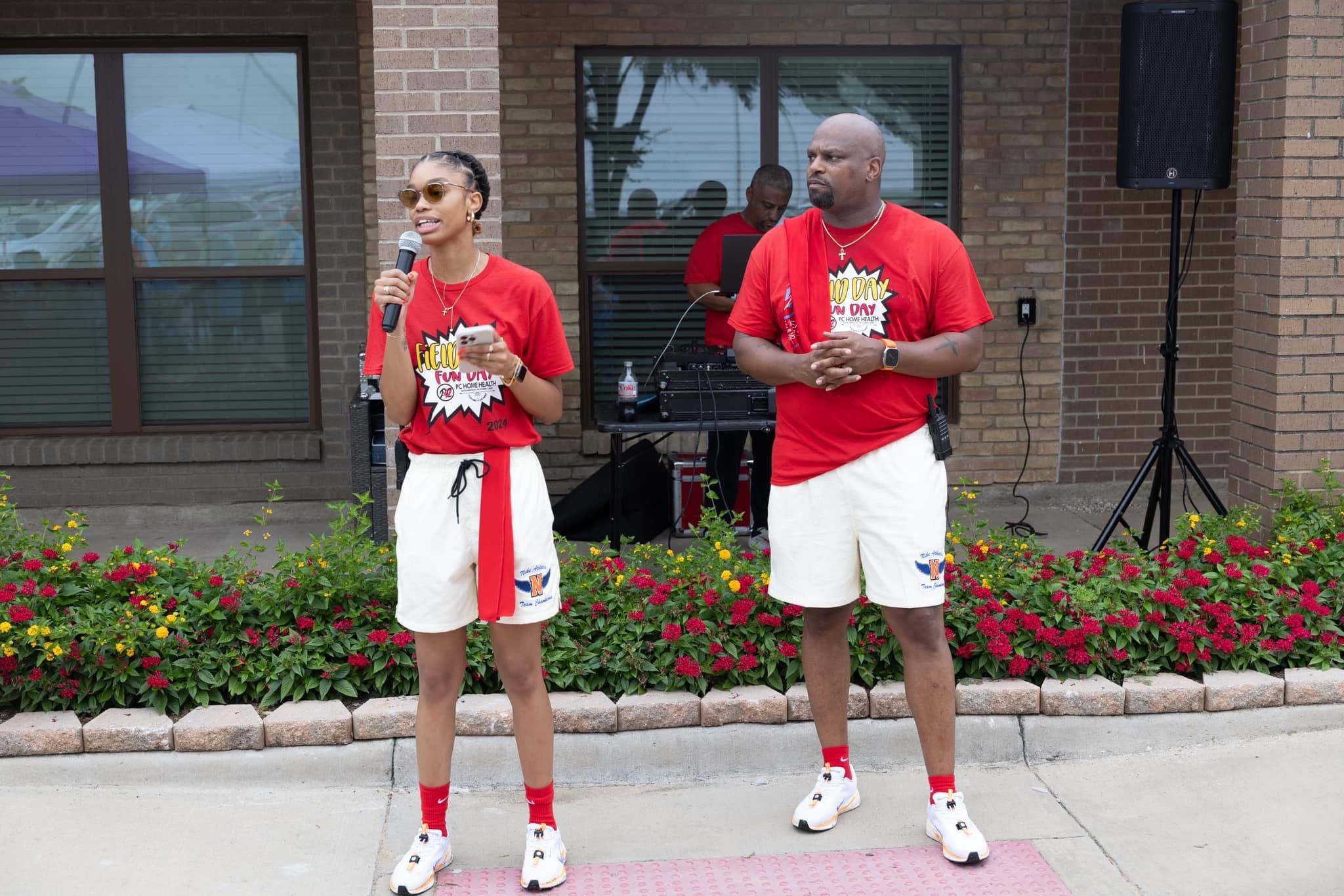
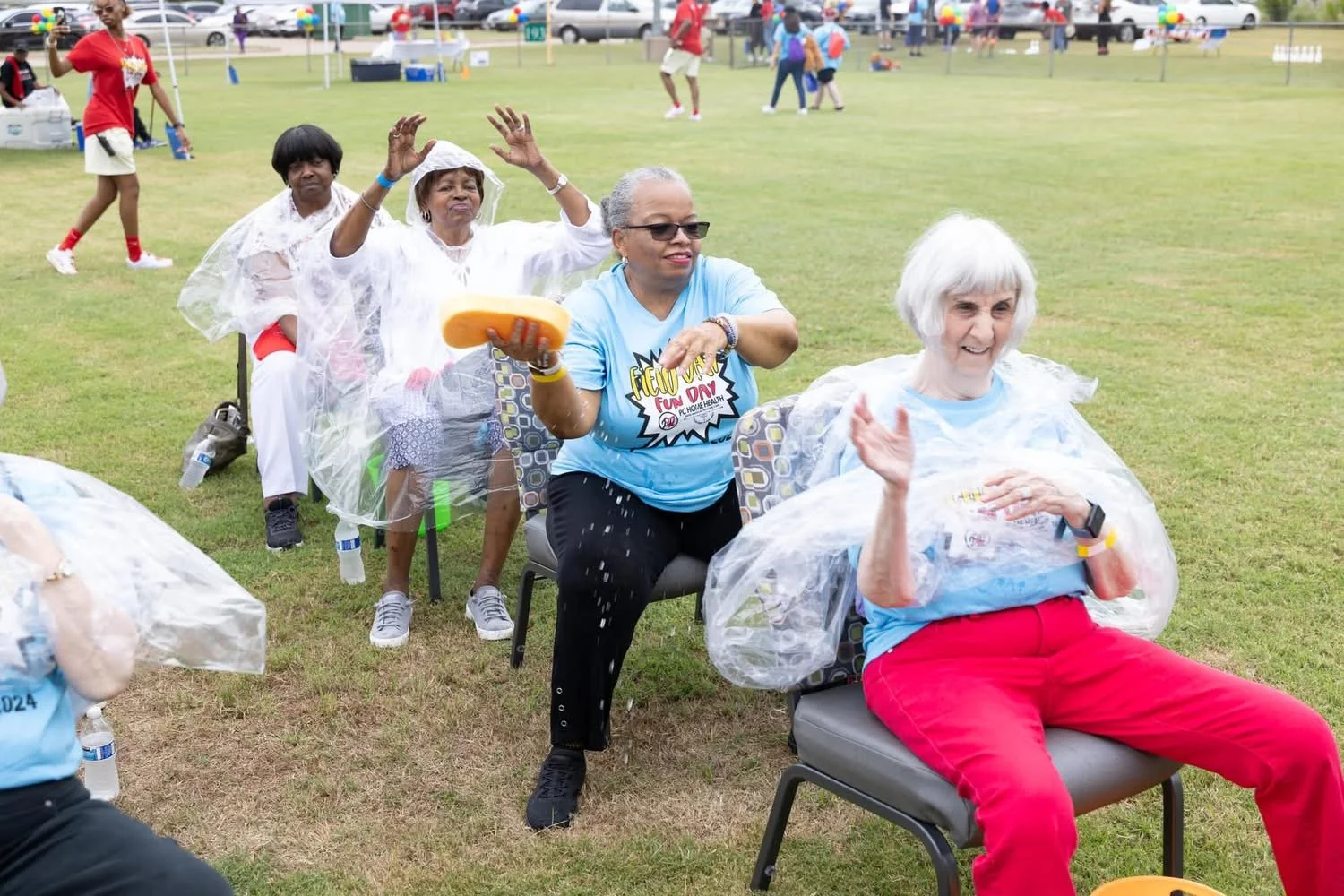
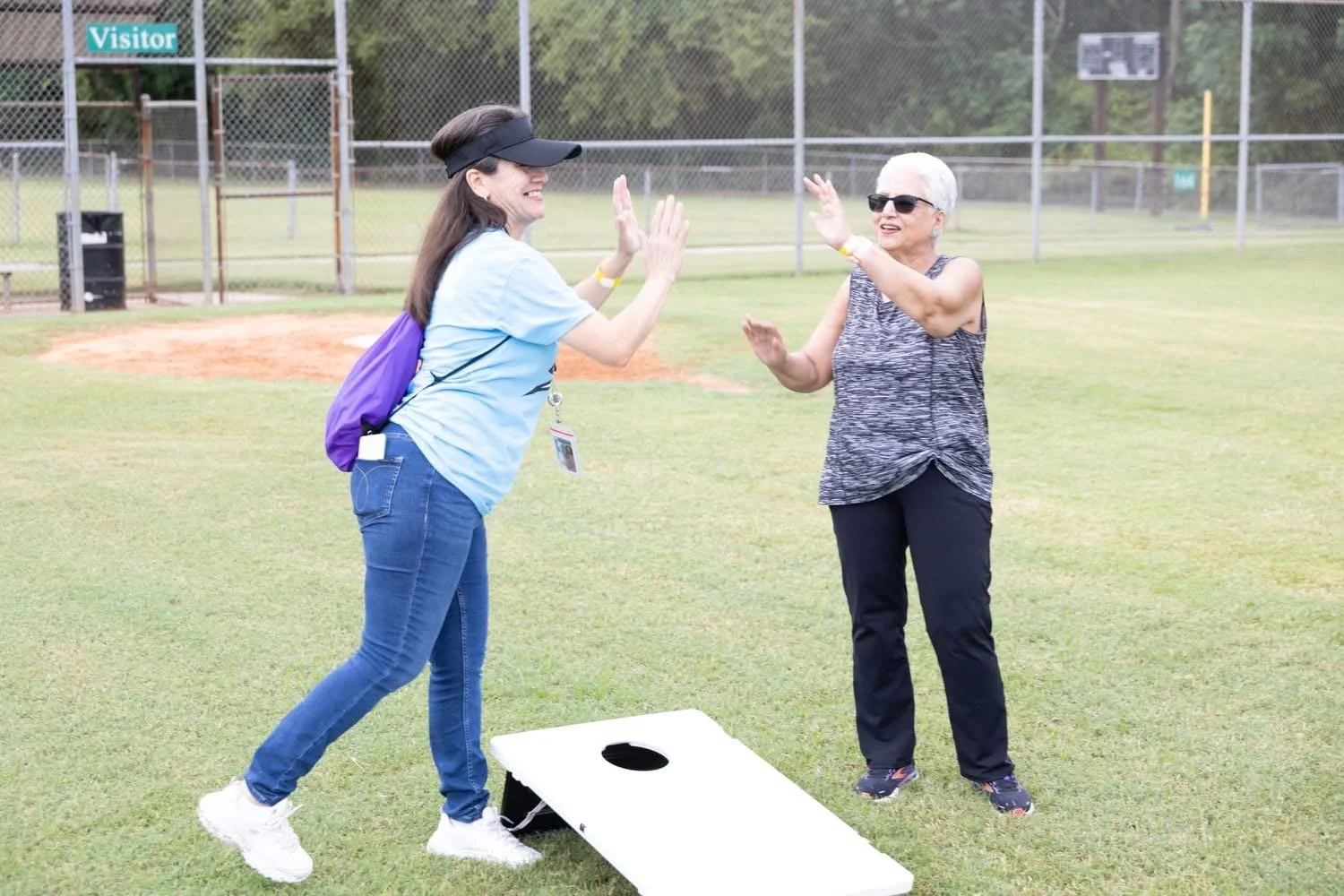
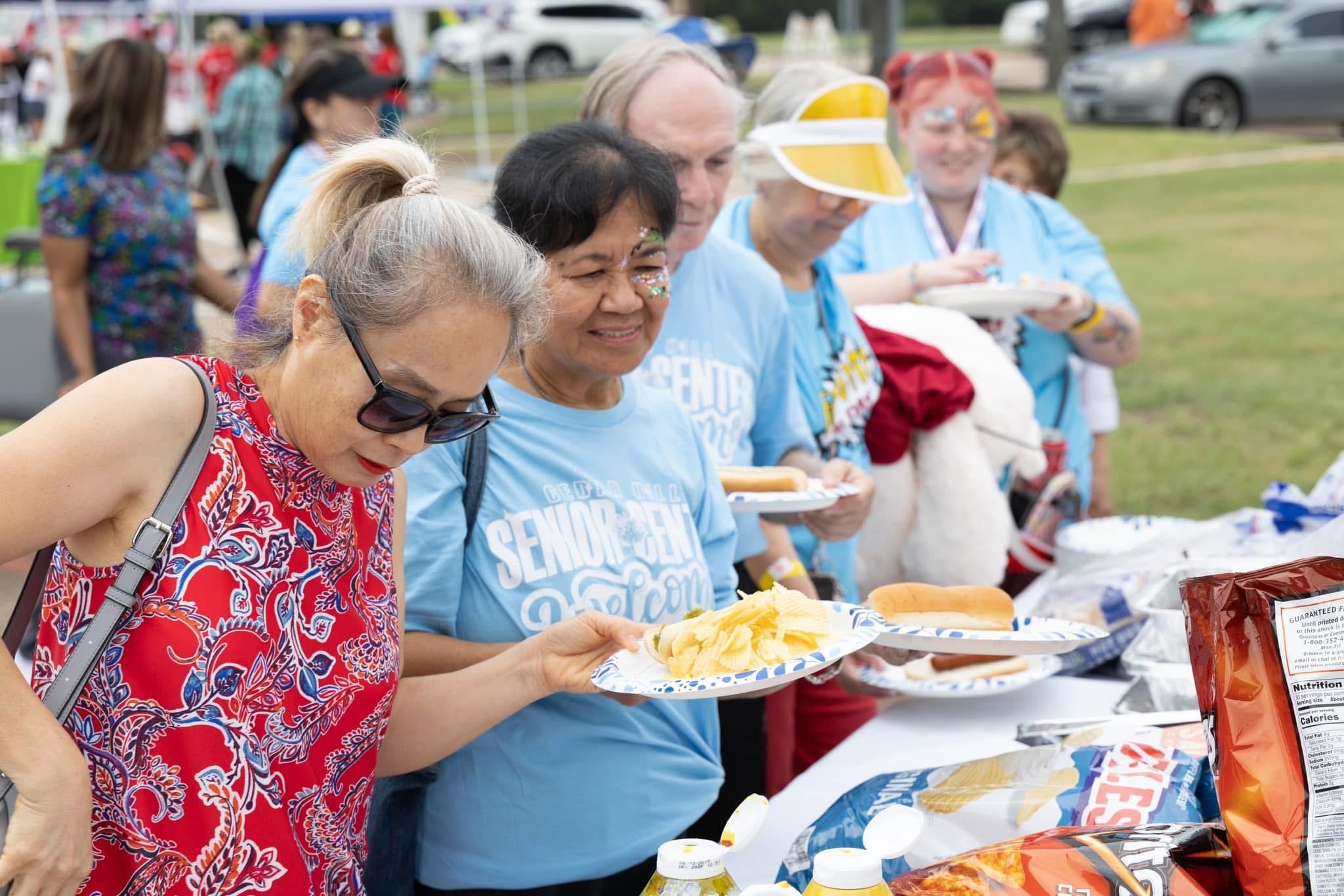
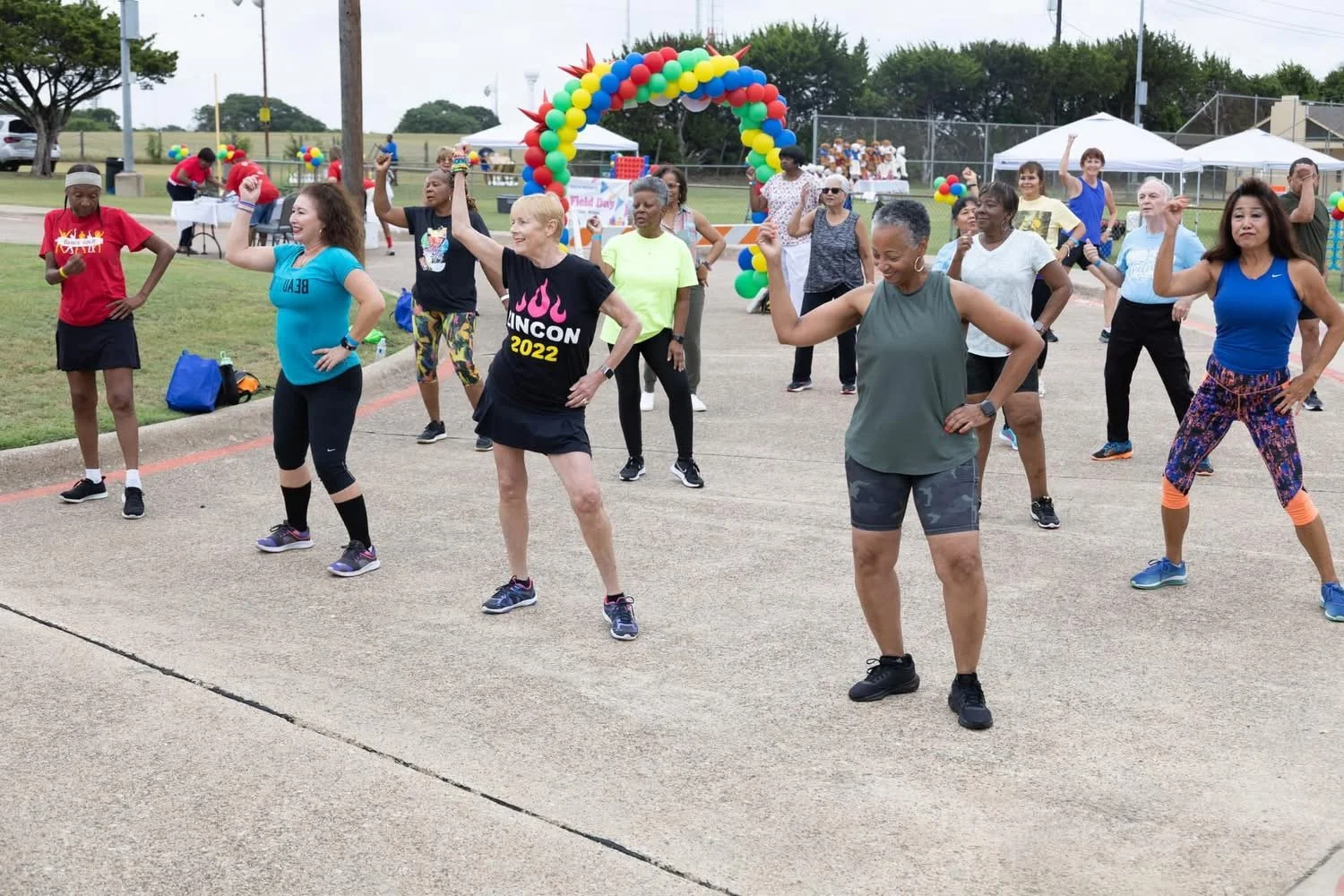
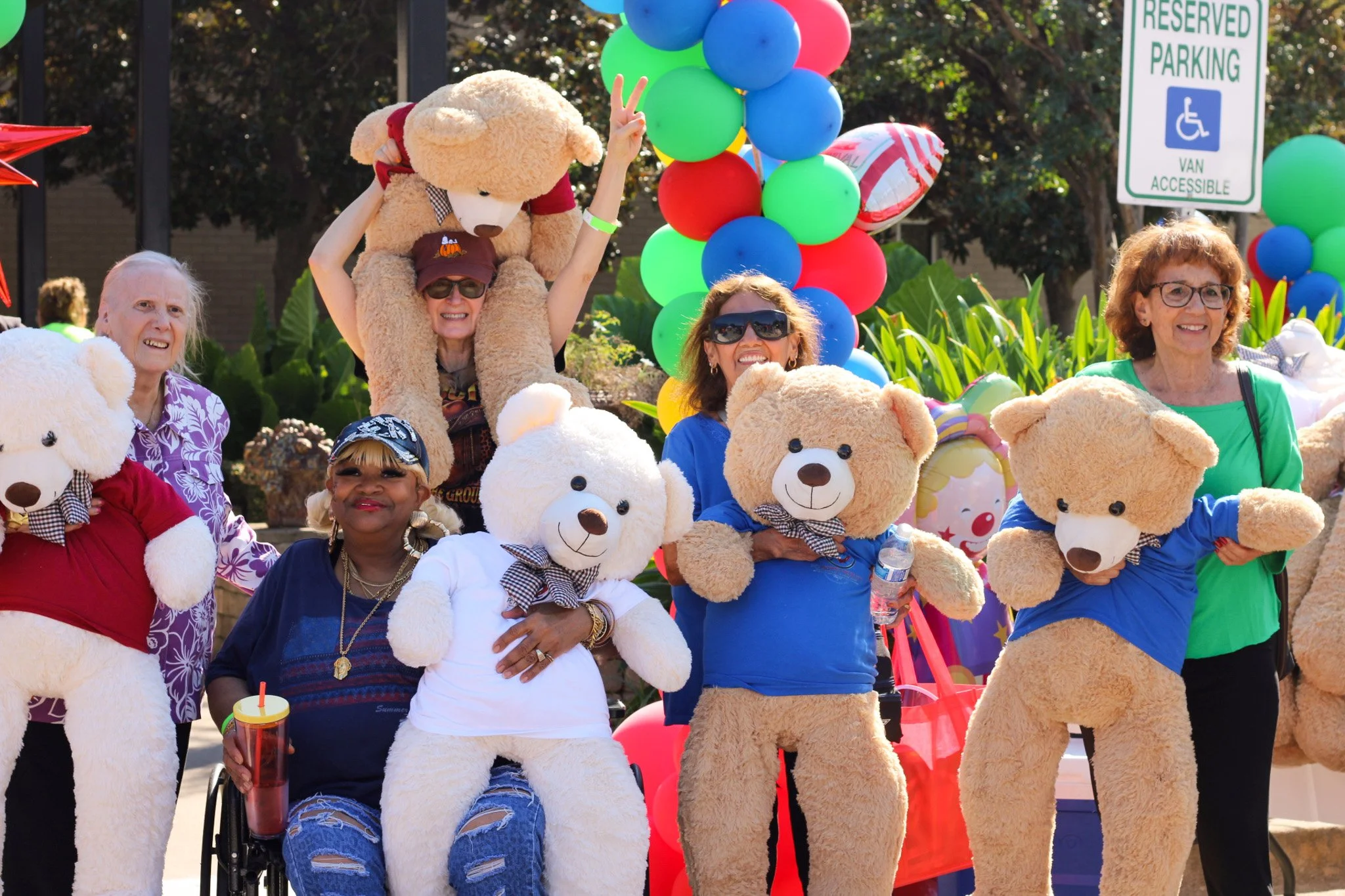
Our events are designed to bring people together across generations. Seniors, caregivers, families, and community partners gather for days filled with joy, fellowship, and meaningful connection. From Community Events to Senior Field Day and more, these events uplift the spirit and strengthen the bonds of community.

-
Lower mortality risk: A 2025 study in the Journal of the American Geriatrics Society found that highly socially engaged older adults had a 42% lower mortality risk over four years compared to those with low engagement.
Longer, healthier lives: A 1979 landmark study cited by the National Institutes of Health (NIH) found that people with strong social ties were three times less likely to die over a nine-year period than less-connected individuals.
Slower biological aging: Research from the National Institute on Aging shows older adults with strong supportive relationships age one to two years slower biologically than those lacking such ties.
-
Reduced depression: A 2024 Chinese study found that older adults who participate in social activities like visiting friends and joining clubs have lower depression levels. A 2017 U.S. survey of senior center participants found that nearly half reported feeling less lonely and stressed, while laughing more often.
Reduced dementia risk: The NIH reports that social isolation is associated with an approximately 50% increased risk of developing dementia. Other studies indicate that strong social ties and engagement can reduce the risk of dementia by 30–50%.
Slower cognitive decline: A 12-year study of seniors without dementia found that those with frequent social contact had a 70% slower rate of cognitive decline than those with low social activity.
-
Lower risk of chronic disease: Strong social ties are linked to a reduced risk of chronic conditions, including heart disease and stroke.
Better health habits: Seniors with healthy social connections are more likely to have healthier eating and sleeping habits. One study of senior center participants found that 40% increased or started regular exercise after joining.
Faster recovery: Strong social connections are associated with faster recovery times after falls and injuries.
-
Significant prevalence: The National Institutes of Health reports that about one-quarter of community-dwelling Americans aged 65 and older are socially isolated, and 43% of adults 60 and older report feeling lonely.
Sustained loneliness: A December 2024 National Poll on Healthy Aging found that despite rates returning to pre-pandemic levels, over one-third of adults aged 50 to 80 still report feeling lonely or isolated.
Higher risk for vulnerable groups: The same poll identified that rates of loneliness are significantly higher for seniors with fair or poor mental or physical health, as well as those with lower incomes.
-
Senior centers and community centers: A 2017 study found that seniors participating in senior centers reported feeling less lonely (46%) and more satisfied with life (43%).
Intergenerational programs: Initiatives bringing together older and younger adults have been shown to improve older adults' mental health, social connectedness, and sense of purpose.
Volunteer activities: A 2025 study noted that seniors who do charity work or participate in clubs have a significantly reduced risk of dying.
Gathering places: A Penn State University study cited by the Population Reference Bureau found lower suicide rates among adults in counties with more gathering places, suggesting these locations foster social connections and support.

Research shows that community connections and gatherings significantly benefit seniors' health and well-being, with numerous statistics supporting these positive impacts:
Community Celebrations!
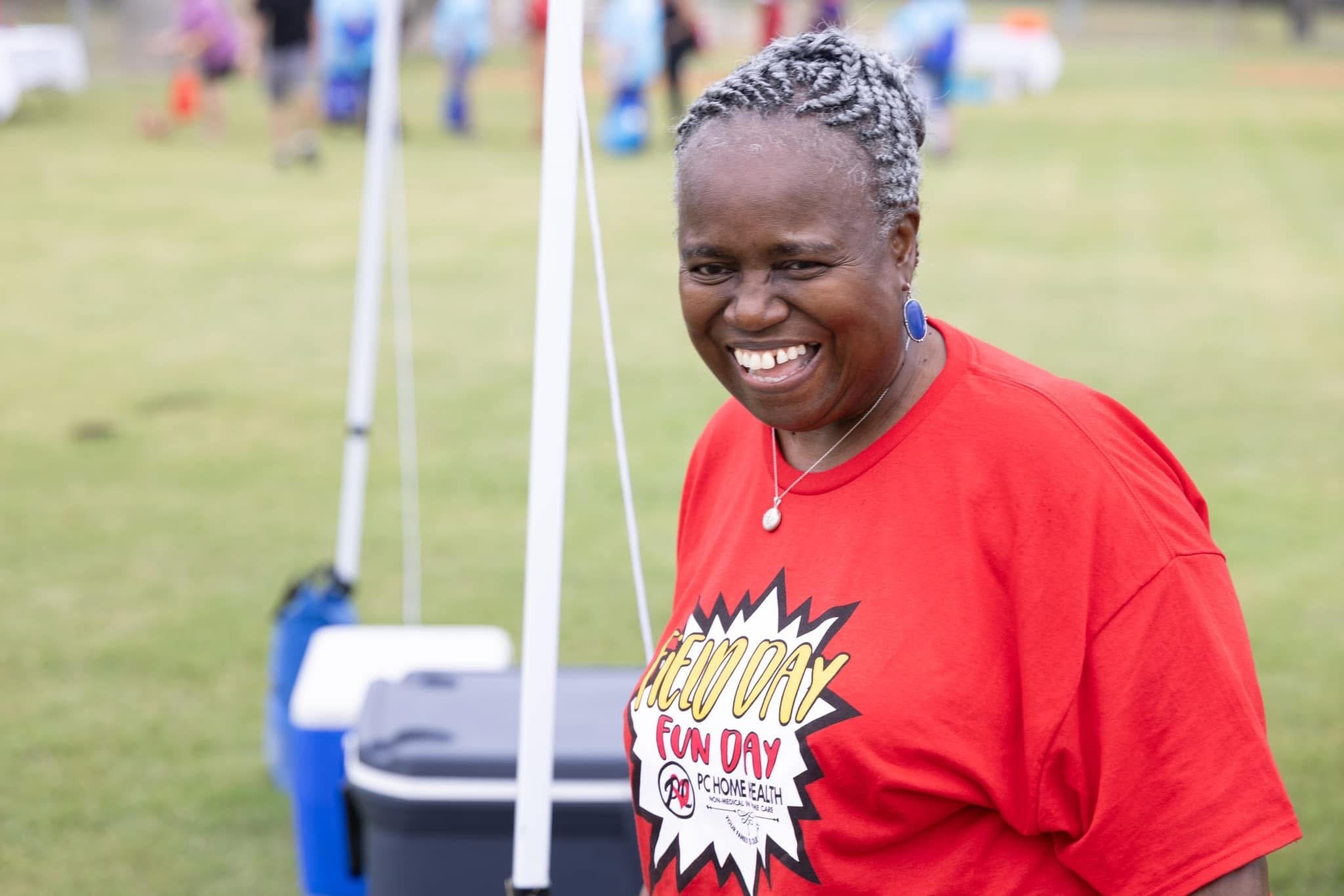
Annual events like Senior Field Day bring fun, health, and fellowship.
Community Activities & Resources
Smaller community gatherings throughout the year build connection and reduce isolation.

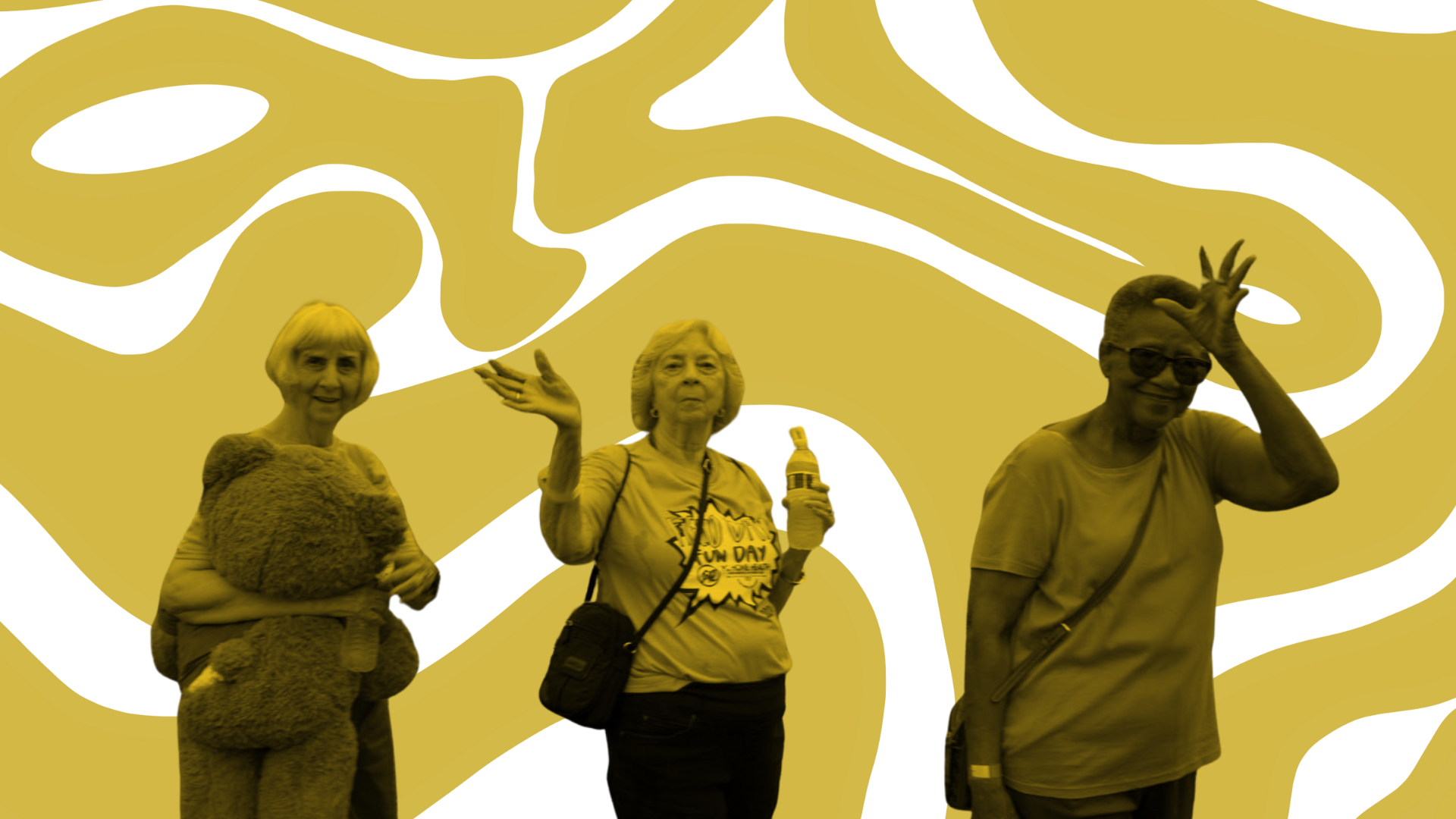
“At Senior Field Day, I saw my grandmother laughing, dancing, and connecting with people she hadn’t seen in years.
It was a gift for her and for us.”
Senior Field Day Oct 2, 2026
SAVE THE DATE!
Take Action
*
Take Action *
-
Bring Joy, Connection, and Community to Life
Our cross-generational events thrive because of volunteers who welcome guests, support activities, and help create spaces where seniors, caregivers, and families feel celebrated and connected.
Volunteers Often Support:
Greeting and assisting attendees
Helping with games, activities, and setup
Serving food, refreshments, or hospitality
Assisting seniors or caregivers during the event
Supporting registration, photos, or resource tables
Why Event Volunteers Matter
Your presence brings warmth, energy, and care to moments that uplift our seniors and strengthen community bonds — creating joy that lasts far beyond the event day.
-
Support Community Celebration and Connection
Local businesses, churches, and organizations play a vital role in helping us host meaningful community events. Sponsorships and partnerships allow us to expand programs, offer resources, and create moments of joy for seniors and caregivers.
Ways Partners Support:
Event sponsorship or co-hosting
Providing refreshments or supplies
Offering venue space or volunteers
Hosting resource tables or activities
Contributing giveaways or materials
Why Partners Matter
Partnerships help us reach more neighbors, create richer experiences, and ensure our events remain free, accessible, and joyful for all who attend.
-
Create Connection Right Where You Are
Churches, neighborhoods, workplaces, and community groups can host small gatherings designed to bring seniors and caregivers together for fellowship, support, and joy.
Host Organizations Often Provide:
A welcoming space for conversation or activities
Light refreshments or hospitality
Volunteers or support staff
Opportunities for neighbors to connect, share, and smile
Optional themed activities, devotionals, or wellness topics
Why Hosting Matters
Hosted gatherings create meaningful, local moments of connection — reducing isolation, building community, and reminding seniors and caregivers that they are seen, valued, and supported.